 Peera피어라
Looking for 30 to try it free first
Before launch, just 30 families get a 30-day free trial.
Try it with your child and tell us honestly.
“What stayed with you most today?”
Writy texts once a day.
Right after the call, your child writes the day by hand.

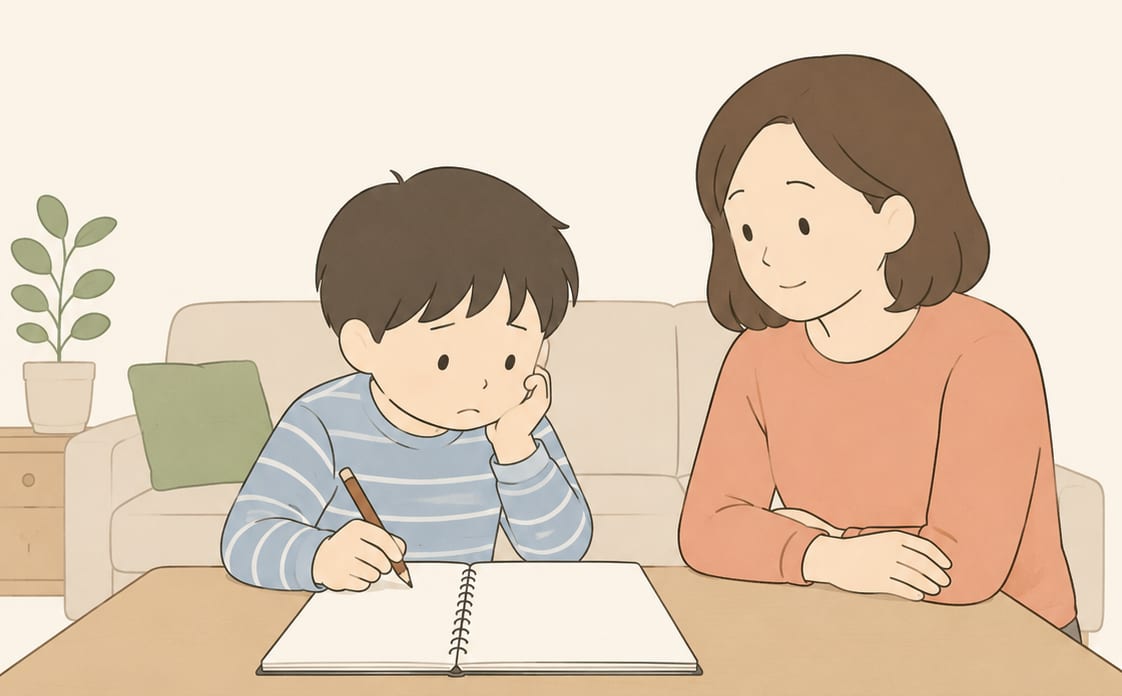
“Let’s write a diary?”
“I don’t know what to write.”
Or you worry they can’t speak their mind clearly at school.
It’s frustrating — and you wonder what to do.
It’s not that they won’t talk.
They just don’t know how to yet.
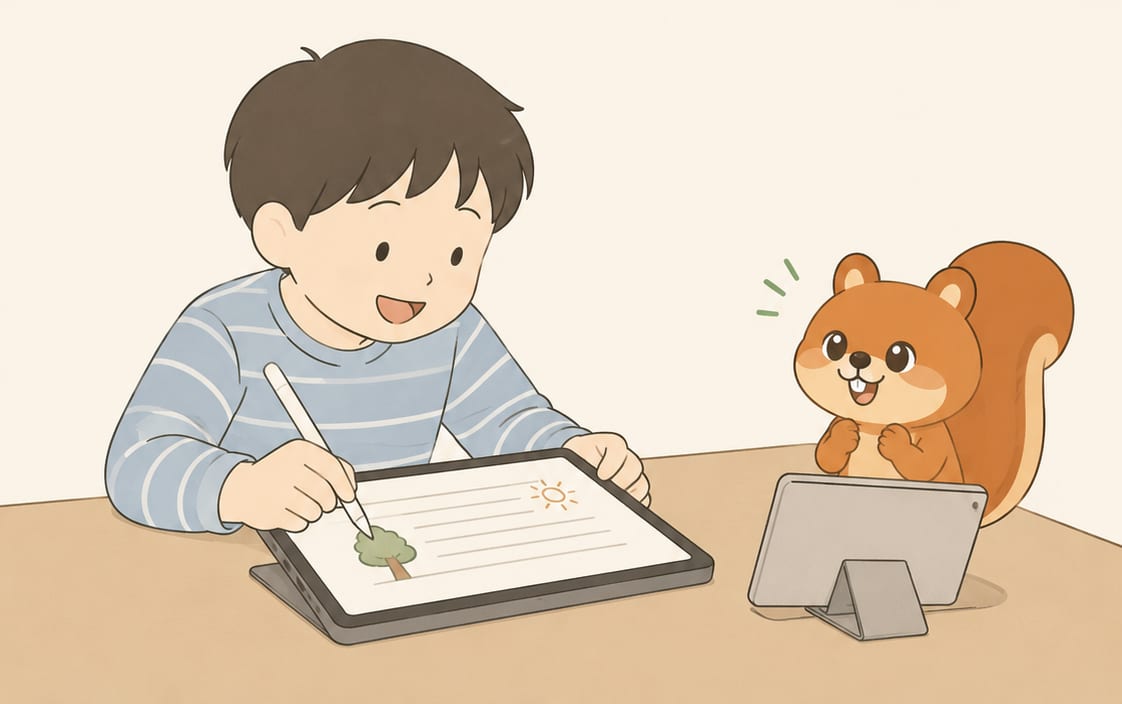
Talking with Writy,
the diary writes itself
The child who was crying can’t wait to share the day.
And that story becomes today’s diary.
Built on scientific evidence
We didn’t only make it fun.
We designed it based on research.
Writing by hand switches the brain on
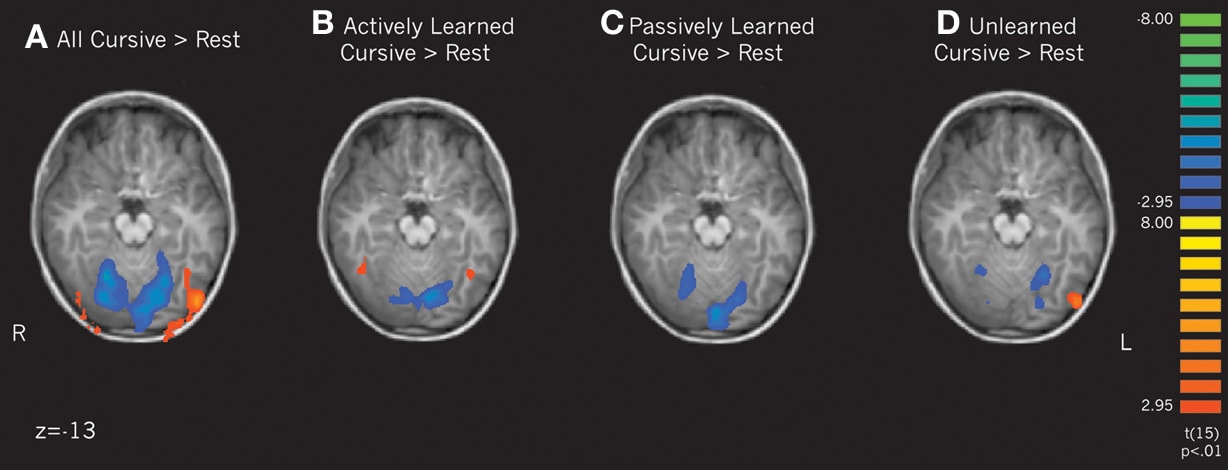
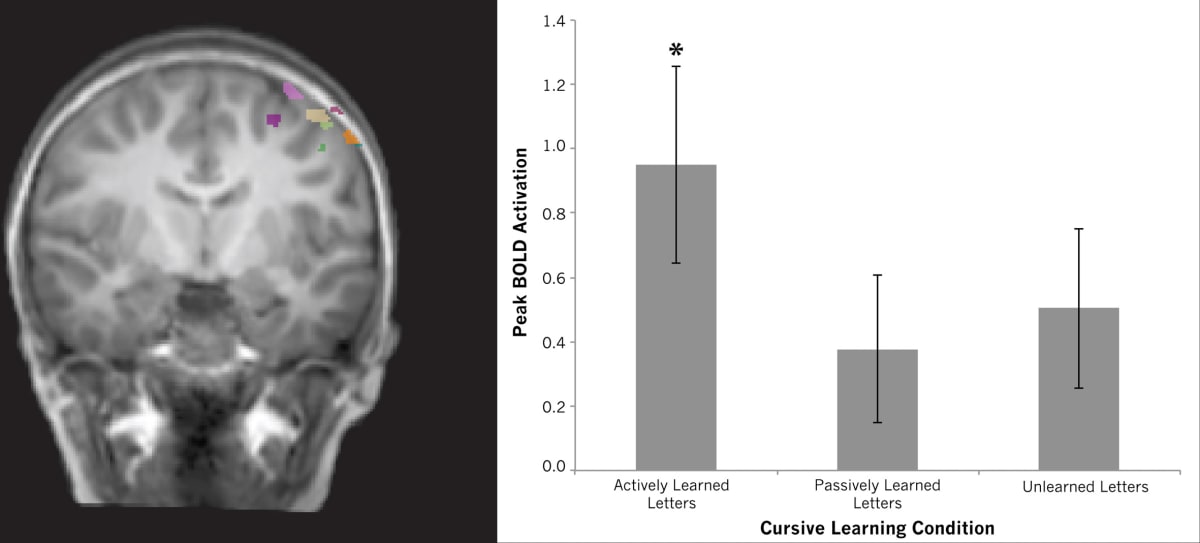
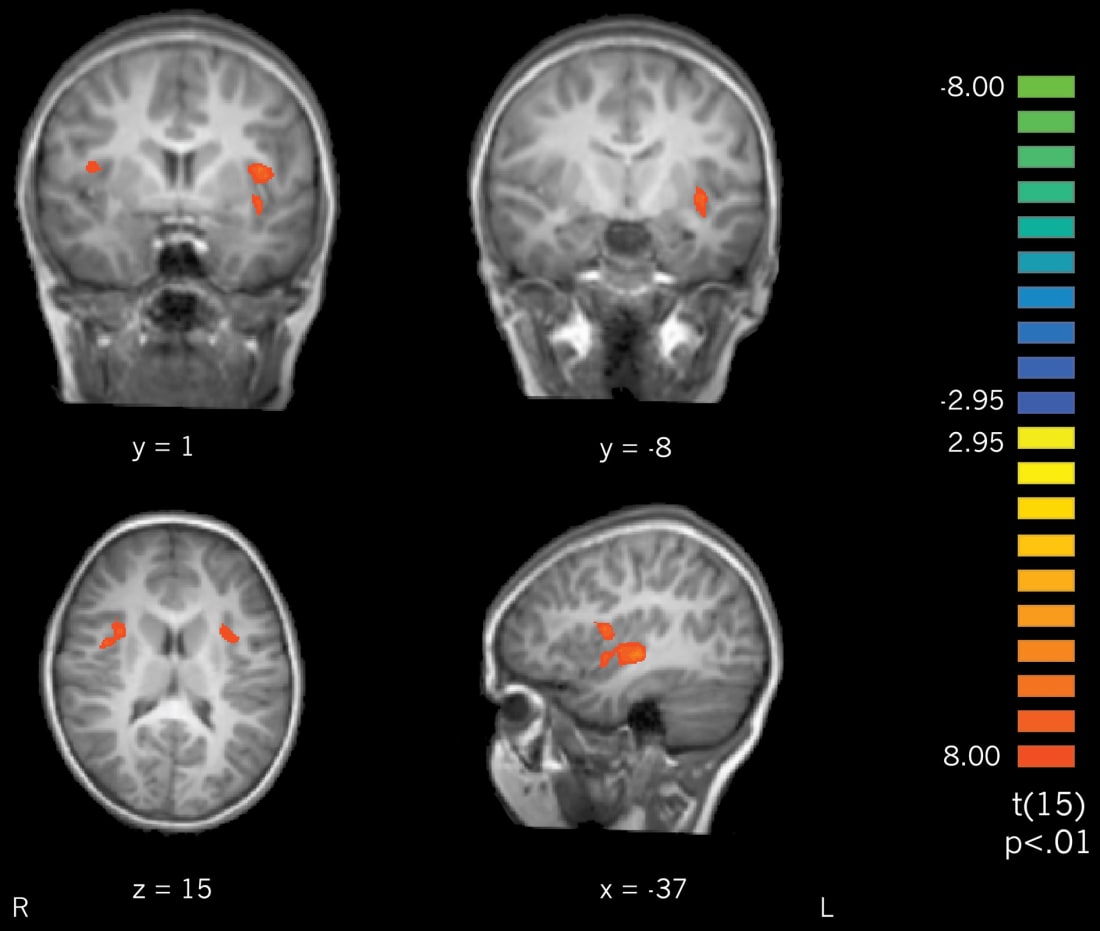
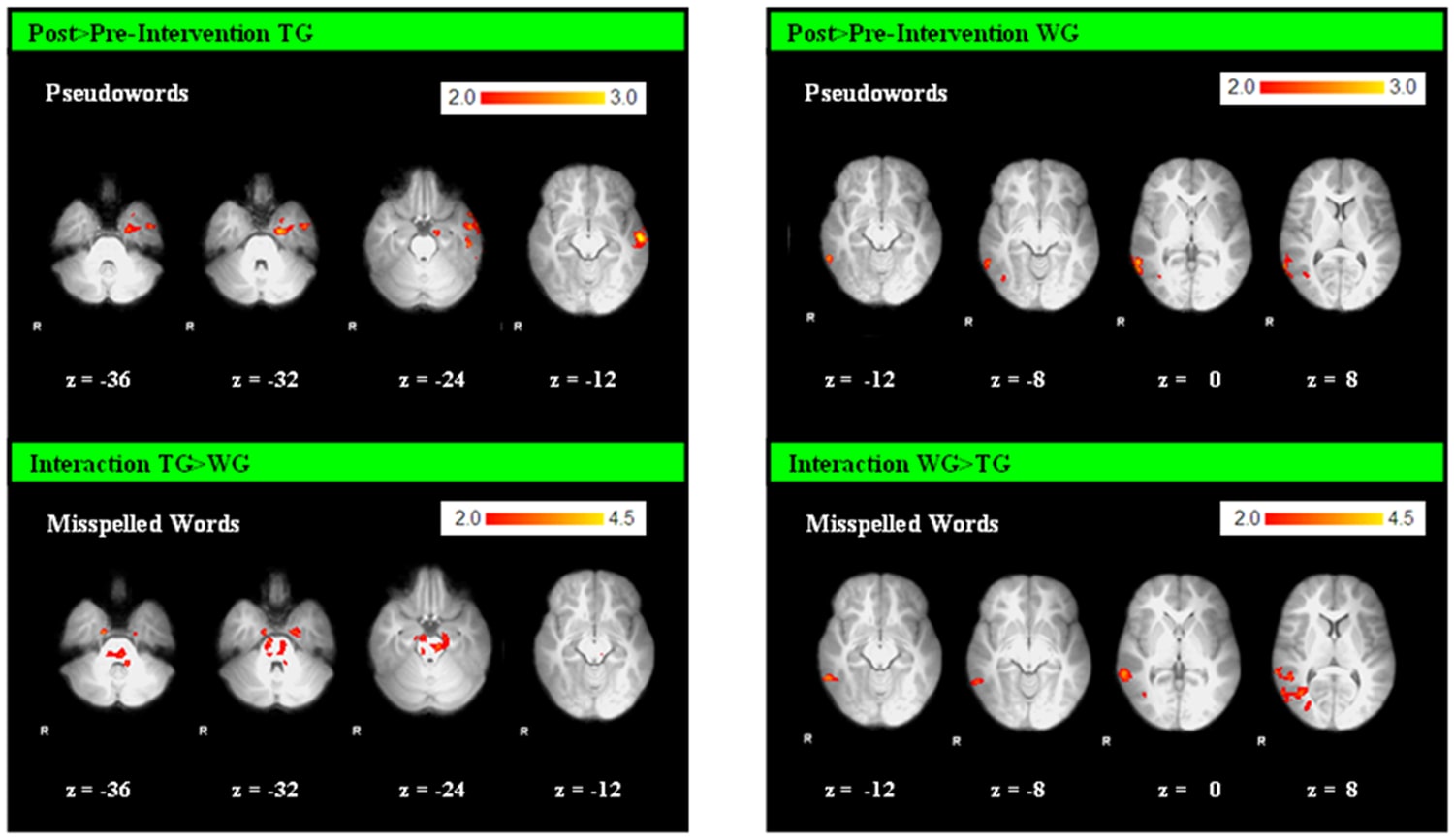
Sources: Kersey & James (2013), Frontiers in Psychology 4:567 (Figs. 4·8·6) · Gebauer et al. (2012), PLOS ONE 7:e38201 (Fig. 5) — both CC BY, source 1 · source 2 (reformatted/resized). These are fMRI studies in children; they do not validate Peera, but show the principle Peera was designed around.
Writing with help improved about twice as much
The group that wrote with help improved about twice as much as the control group. In another study, help also lowered mental effort (cognitive load ↓), and they wrote better.
Data: Li (2023) · Jiang & Kalyuga (2022), Frontiers in Psychology — a chart built from the figures these studies report. It does not validate Peera, but shows the principle Peera was designed around.
※ These studies do not validate Peera. They explain the principles Peera was designed around. Peera has not launched yet, and our app’s learning outcomes have not been measured. We will not promise results we haven’t verified. The people pictured in the slides are AI-generated fictional people — not real individuals, and not the researchers behind these studies.
From spoken
to written
Before teaching how to write,
we give them something worth writing.
A text arrives,
they call back
One text a day from Writy.
Curious, your child calls first.
They write it
by hand
The call gives them something to say.
Stuck? They ask “How do I write this?”
처음엔 무서웠는데 재미있써서 또 타고싶다.
Feedback,
then rewrite
What they did well, said clearly.
One thing to watch, said lightly.
Praise loudly,
correct gently
We say the good part out loud,
and touch the rest lightly.
오늘 아빠랑 자전 거를⌒자전거를 탔다.
처음에는 무서웠는데 아빠가 잡아 줘서
안넘어젔다★안 넘어졌다. 재미있써서★재미있어서 또 타고 싶다.
Writy’s help while writing
Writy looks at what they just wrote and answers.
They ask out loud and hear it back, so they can do it alone.
Warm feedback when done
The good parts get named, clearly.
Then one thing to watch, lightly.
Rewriting again
Faint guide letters appear, and they write over them.
Not erasing — the experience of writing it again.
- HomeA treehouse atop a great oak, deep in the green forest
- FamilyA warm mom, a dad who finds the best acorns, and Kongi, his mischievous little sister
- LovesRoasted acorns, hide-and-seek, the smell of earth after rain
- Afraid ofThunder (quite a lot, honestly)
- HabitsTail flapping when excited, “Whoa!” when surprised
Children open up to
a friend, not an app
Writy isn’t a feature — he’s an eight-year-old with a life. He lives in a treehouse and he’s scared of thunder.
Because he’s a friend, they tell him about the day unprompted.
And that’s why the diary comes out easily.
“Whoa! You did origami? I really want to know what you made!”
Today, just Writy.
Soon, friends’ writing too.
We’re building a way for children to share their writing and see how others think. This is not available yet. We’ll open it only after the child-safety and privacy design is finished. Scope and approach may change by launch.
What comes before fun
This app handles a child’s feelings.
🤍No confetti over sadness
When the story hurts, instead of celebrating
Writy acknowledges the feeling first.
🌳We point to grown-ups
If safety comes up, Writy says
“Please tell a grown-up you trust.”
🔋We don’t hold on
One text a day.
When Writy’s phone battery runs out, the call ends.
✏️Mistakes are fine
A wrong word is simply said back the right way.
And there are no ads.
Give your child
the joy of writing
With Writy, today’s story becomes a piece of writing they enjoy.
Next time you’ll ride on your own 🚲